other
  • Are the optical properties of the Drone lens anti-glare?
    Are the optical properties of the Drone lens anti-glare? Jul 02, 2024
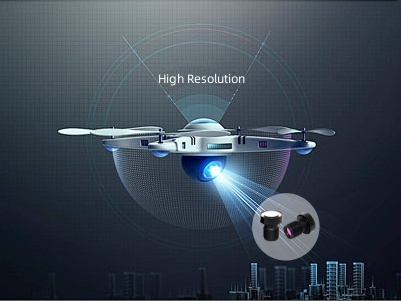
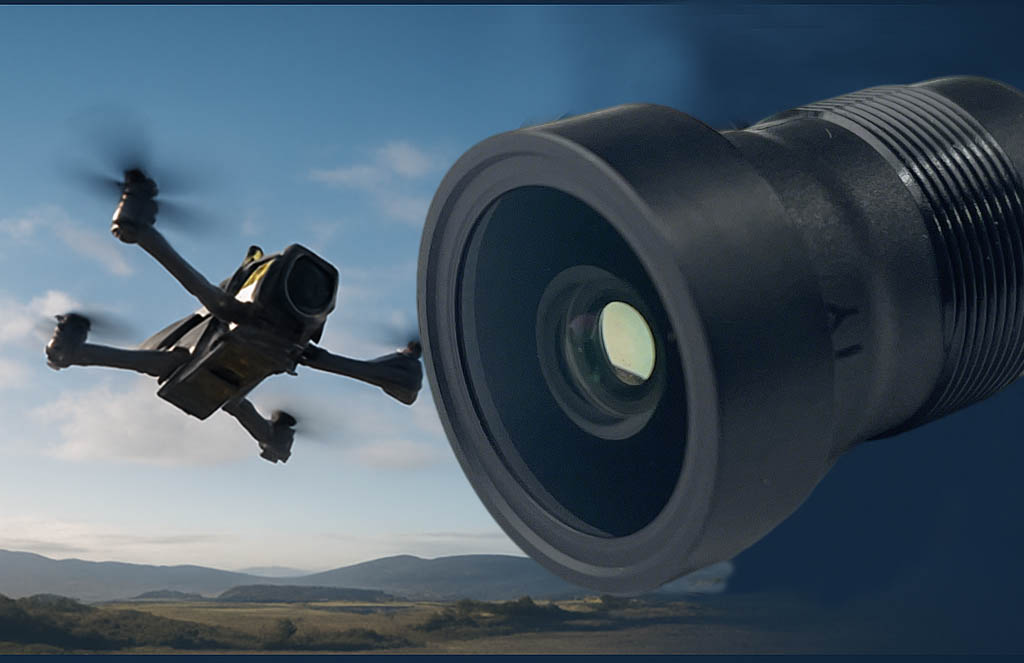
    The optical performance of a drone lens can be anti-glare, but this depends on the lens design and material selection. Anti-glare means that the uav lens can reduce or eliminate the reflection and scattering of light when facing a strong light source, maintaining the clarity and contrast of the image. Here are some common anti-glare technologies and features: Coating technology: By applying a special optical coating to the surface of the uav lens, the reflection and scattering of the high resolution lens can be reduced. Common optical coating technologies include anti-reflective coating (AR coating), reflective coating and anti-reflection coating, etc. These coating layers can improve the light transmittance and anti-glare performance of the lens to a certain extent. Lens design: The design of the lens can consider increasing the light transmission aperture ratio, reducing the thickness of the glass material and defocusing power, etc., thereby reducing the reflection and scattering of light. Excellent lens design can effectively reduce glare and improve the anti-glare ability of the lens. Lens hood and filter: A hood can be added to the design of the Drone lens to shield the light from the side or backlight and reduce the reflection and scattering of the light. Additionally, using filters can help reduce certain wavelengths of light. It should be noted that although the Drone lens can have a certain anti-glare ability, glare may still occur when facing extremely strong light sources such as direct sunlight, lasers, etc. Therefore, when using a drone, users still need to be careful not to point the drone lens directly at a strong light source to avoid affecting vision, and pay attention to light changes in the environment, and adjust the shooting angle and posture in a timely manner to obtain clear and low glare Image.  
  • How Drone Camera Lenses Elevate Aerial Photography?
    How Drone Camera Lenses Elevate Aerial Photography? Nov 12, 2025
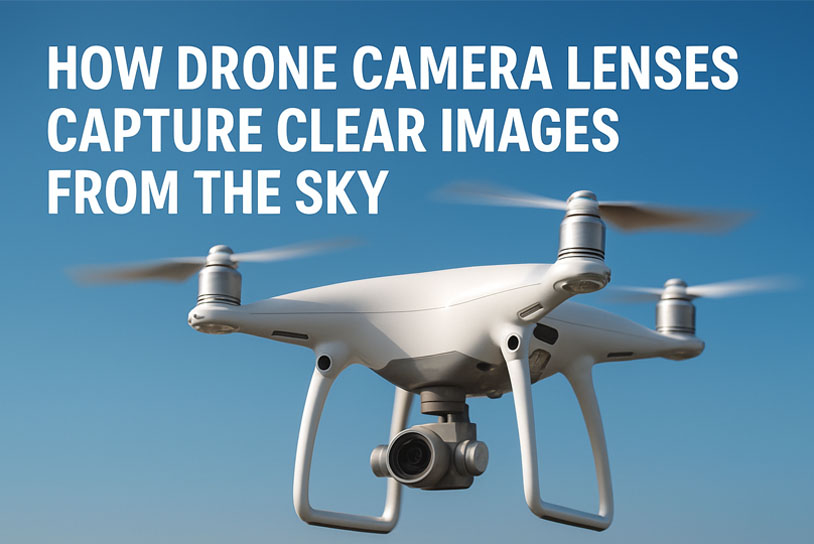
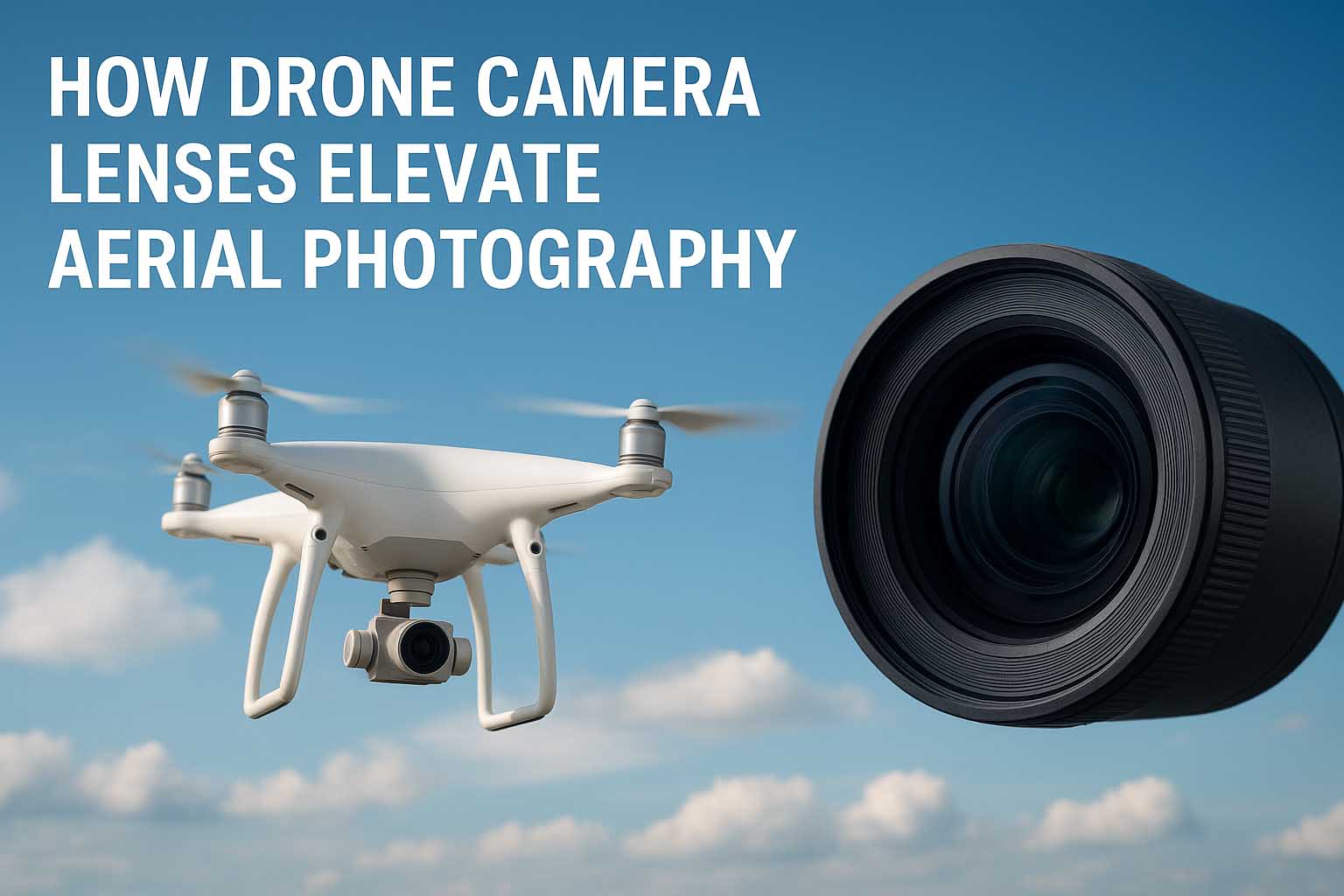
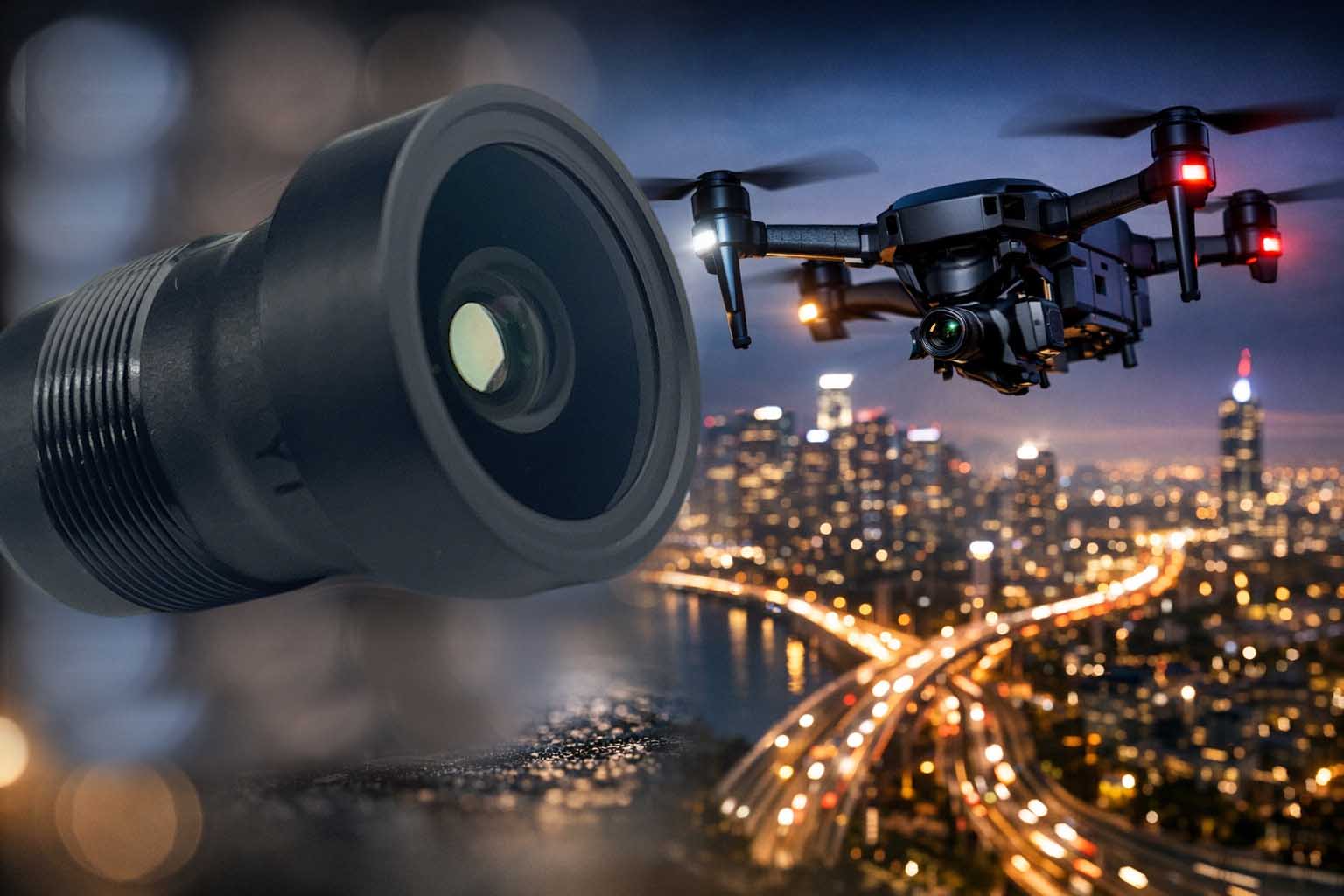
    In the world of aerial imaging, the drone camera lens is the key element that transforms flight data into stunning, high-definition visuals. Whether used for landscape photography, inspection, mapping, or surveillance, the performance of a drone lens determines how accurately and vividly a drone captures the world from above. The Importance of Optical Precision in Aerial Imaging A drone’s ability to produce stable, high-quality footage depends largely on the optical precision of its aerial photography lens. Unlike standard lenses, drone lenses must balance wide field of view, lightweight construction, and low distortion—ensuring that every image is sharp and geometrically accurate, even when taken from high altitudes or at high speeds. High-end drone camera lenses are designed with specialized coatings and aspherical elements to minimize chromatic aberration and glare caused by direct sunlight. This enables drones to maintain excellent image contrast and color fidelity, even in bright outdoor environments. Wide-Angle Lenses for Broader Perspectives A wide-angle lens is essential for most aerial applications. It allows the camera to capture expansive landscapes and structural details in a single frame, making it ideal for surveying, environmental monitoring, and cinematic shots. By expanding the field of view while maintaining low optical distortion, wide-angle drone lenses help pilots and mapping systems achieve more accurate data collection and spatial representation—key requirements for industrial and commercial drone operations. Adapting to Environmental Challenges A reliable drone lens must endure the unpredictable conditions of aerial work—temperature fluctuations, vibration, and humidity. High-quality optical materials and precise mechanical design ensure focus stability and resistance to optical drift, maintaining consistent image performance across long flight durations. Additionally, lenses with anti-fog coating and dust-resistant structures allow drones to operate effectively in high-humidity or dusty outdoor environments, ensuring that the captured footage remains clear and reliable. High Resolution and Low Distortion for Professional Results For mapping and inspection tasks, accuracy matters as much as beauty. A low-distortion lens ensures the captured image corresponds precisely to real-world dimensions, while high-resolution optical design delivers fine detail and sharpness across the frame. These features are critical for drone applications such as powerline inspection, agricultural analysis, and infrastructure monitoring—where clarity and measurement precision determine operational success. The Future of Drone Imaging As drone technology advances, lenses are evolving to meet higher standards of resolution, sensitivity, and environmental durability. Manufacturers are focusing on optimizing aperture control, multi-layer coatings, and lightweight composite materials to support longer flight times and more complex imaging missions. Whether for creative aerial cinematography or industrial surveying, the demand for precision-engineered drone camera lenses continues to rise. Optical innovation will remain the foundation for smarter, safer, and more efficient drone vision systems. About Wintop Optics With over 19 years of expertise in precision optical engineering, Wintop Optics specializes in developing high-quality lenses for drones, automotive vision, surveillance, and intelligent imaging applications. Our drone lens solutions are designed to meet the highest standards of clarity, durability, and stability—empowering aerial systems with reliable vision from takeoff to landing.
  • Understanding FPV Drone Lenses: Key Optical Factors That Shape Flight Performance
    Understanding FPV Drone Lenses: Key Optical Factors That Shape Flight Performance Nov 28, 2025
    In FPV (First-Person View) drone systems, the lens plays a central role in determining image clarity, latency, field of view, and overall visual feedback during flight. As FPV drones continue to be used in freestyle flying, racing, cinematography, mapping, and training, understanding how an FPV lens is designed and what technical parameters matter can help users choose more suitable optical solutions for their application scenarios. This article introduces the essential characteristics of an FPV drone lens, along with the optical design considerations that impact real-time flight perception. 1. Field of View (FOV): The Foundation of FPV Perception The Field of View determines how much of the environment is visible in the camera feed. For FPV flying, especially racing and freestyle, pilots typically prefer: Ultra-wide FOV (150°–180° equivalent) Allows better spatial awareness and smoother maneuvering Wide-angle distortion control Ensures the image remains recognizable and natural during fast movements A well-designed ultra-wide angle lens balances wide coverage with acceptable distortion levels, providing pilots with stable visual cues. 2. Optical Resolution and Image Sharpness Resolution affects how clearly the camera captures textures, positions, and details. Key factors include: Lens resolving power (MTF performance) Optical distortion level Chromatic aberration control Sensor compatibility (1/1.8", 1/2", 1/3", etc.) A high-resolution FPV drone lens should maintain consistent sharpness across the entire image, including the edges, as peripheral clarity is critical in wide-angle FPV feeds. 3. Latency Behavior and Optical Transmission Efficiency Latency in FPV systems is influenced by both the camera and the optical lens. Lens design affects latency indirectly through: Light transmission efficiency (T-value) Coating quality Internal reflections and stray light control A lens with high light transmission enables the sensor to obtain sufficient information more quickly, which supports low-latency FPV video transmission. 4. Aperture Size and Low-Light Performance FPV flying often occurs in variable lighting conditions — indoor spaces, sunset environments, tunnels, or shaded outdoor areas. A large aperture (e.g., F1.6 – F2.0) enables: Improved low-light visibility Reduced noise from the sensor More stable exposure in fast transitions Combined with appropriate anti-reflective coatings, a lens can maintain clear imaging in both bright and dim environments. 5. Lens Materials and Structural Durability FPV drones experience vibration, rapid acceleration, and occasional impact. Thus, the physical structure of the lens is as important as its optical performance. Considerations include: Glass versus hybrid (glass + resin) elements Lens barrel material (aluminum, PC/ABS, composite materials) Resistance to temperature changes Weight requirements for drone balance A stable optical structure ensures consistent focus performance across repeated flights. 6. Sensor Compatibility and Image Format Different FPV systems use different sensor sizes and aspect ratios. Matching the lens to the sensor ensures: Correct back focal distance Optimal coverage without vignetting Accurate focus position Proper use of the sensor’s full dynamic range Sensor formats commonly used in FPV include: 1/3", 1/2", 1/1.8" CMOS. 7. Application-Specific Lens Selection Different FPV use cases require different optical priorities: Freestyle FPV Wide FOV High image stability Controlled distortion FPV Racing Extremely low latency Fast light adaptation Edge-to-edge clarity Cinematic FPV Higher resolution Low-distortion imaging Color rendering accuracy Industrial FPV High contrast Consistent optical performance Robust housing design

Need Help? Chat with us

Leave a message
For any request of information or technical support, fill in the form. All fields marked with an asterisk* are required.
Submit

Home

Products

whatsApp

contact