What is a Rear View Camera for a Car?
Jul 09, 2024
In recent years, rear view cameras have become a standard feature in many vehicles, offering drivers an extra layer of safety and convenience. But what exactly is a rear view camera for a car, and why has it become such an essential component? This article explores the purpose, benefits, and key features of rear view cameras, focusing on the rear view lens, particularly the F2.0 lens and the 1/4 lens.
A rear view camera, also known as a backup camera, is a specialized video camera attached to the rear of a vehicle. Its primary function is to capture a wide-angle view of the area directly behind the car and transmit the video feed to a monitor on the dashboard. This setup allows drivers to see what is behind them without having to turn their heads, significantly reducing the risk of accidents during reversing maneuvers.
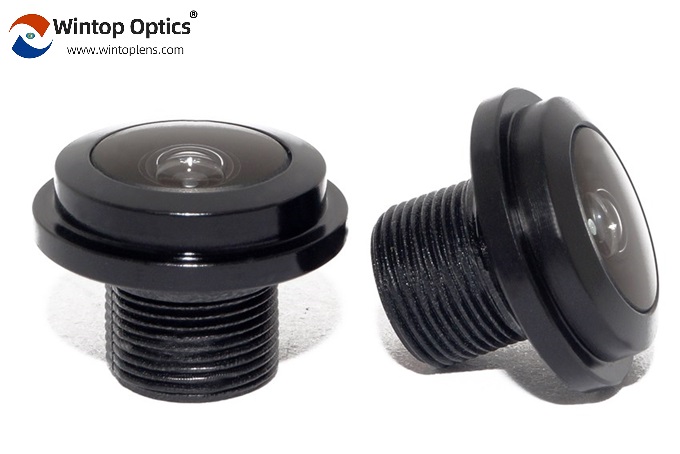
The rear view lens is a crucial component of the rear view camera system. The lens determines the field of view and the quality of the image captured. One common type of lens used in these cameras is the 1/4 lens. The term "1/4 lens" refers to the size of the image sensor in the camera, which is one-quarter of an inch. This small but powerful lens is designed to provide a wide field of view, typically between 120 and 170 degrees, enabling drivers to see obstacles, pedestrians, and other vehicles that might not be visible through the rearview mirrors alone.
The F2.0 lens is another important feature of many rear view cameras. The F2.0 lens refers to the aperture size of the lens, which affects the amount of light that enters the camera. A lower F-number indicates a larger aperture, allowing more light to enter the camera. The F2.0 lens is known for its excellent low-light performance, making it ideal for use in rear view cameras. With an F2.0 lens, drivers can expect clearer and brighter images, even in low-light conditions such as during nighttime or in poorly lit parking garages.
One of the primary benefits of a rear view camera is enhanced safety. According to statistics, a significant number of accidents occur while reversing, particularly in parking lots and driveways. These incidents often involve children, pets, or objects that are difficult to see from the driver's seat. By providing a clear view of the area behind the vehicle, a rear view camera can help prevent such accidents, making it easier to detect and avoid potential hazards.
In addition to safety, rear view cameras also offer greater convenience. Parking in tight spaces, parallel parking, and backing out of crowded areas become much simpler tasks with the assistance of a rear view camera. The wide-angle view provided by the 1/4 lens ensures that drivers can accurately judge distances and navigate with confidence.
The integration of both the F2.0 lens and the 1/4 lens in rear view cameras also contributes to improved image quality. Despite its small size, the 1/4 lens is capable of capturing high-resolution images, ensuring that the video feed displayed on the dashboard monitor is clear and detailed. The F2.0 lens further enhances this clarity by improving low-light performance, ensuring that drivers have a clear view regardless of lighting conditions.
Moreover, many modern rear view cameras come equipped with additional features to further enhance their functionality. For instance, some models include guidelines or grid lines superimposed on the video feed to assist with parking and alignment. Others may offer night vision capabilities, utilizing infrared technology to improve visibility in the dark. These features, combined with the advanced optics of the F2.0 lens and the 1/4 lens, make rear view cameras an invaluable tool for drivers.
A rear view camera for a car is a vital safety and convenience feature that has become increasingly common in modern vehicles. The rear view lens, particularly the F2.0 lens and the 1/4 lens, plays a pivotal role in providing a wide field of view and high-quality images, ensuring that drivers have a clear and comprehensive view of the area behind their vehicle. By enhancing safety and making reversing maneuvers easier, rear view cameras contribute to a more secure and stress-free driving experience.




 Sign Up To Our Newsletters


 IPv6 network supported.