other
  • The Evolution of Vehicle Imaging Systems: Introducing Wintop Optics' YT-7615 Lens
    The Evolution of Vehicle Imaging Systems: Introducing Wintop Optics' YT-7615 Lens Apr 12, 2024
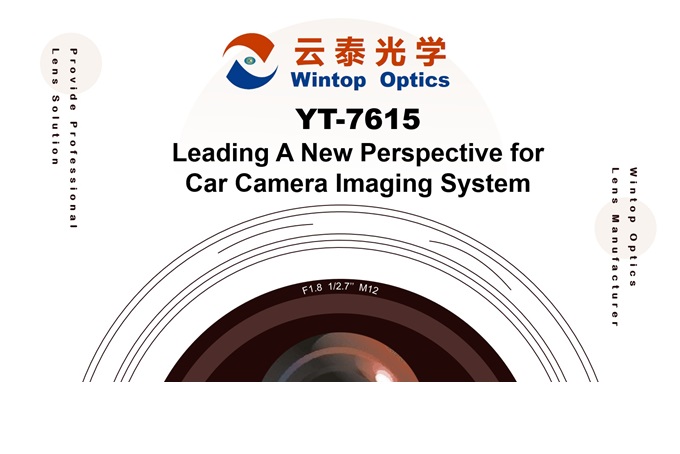
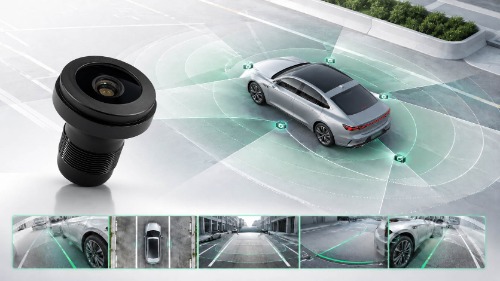
    The automotive industry has seen a significant shift towards advanced driver assistance systems (ADAS) in recent years, with vehicle imaging systems playing a central role in enhancing safety and convenience on the road. Among these systems, surround view camera lens and rear-view camera lens have become increasingly popular due to their ability to provide drivers with a comprehensive view of their vehicle's surroundings. This demand has fueled a continuous evolution in the market, pushing lens manufacturers to develop innovative solutions that meet the growing expectations for performance and reliability. In response to this market trend, Wintop Optics has developed the YT-7615, a cutting-edge car-mounted lens / car camera lens designed to elevate the capabilities of vehicle imaging systems.Market Trends in Vehicle Imaging SystemsThe market for vehicle imaging systems is driven by the need for increased safety and the desire for advanced features that enhance the driving experience. Consumers are increasingly looking for vehicles equipped with technology that can help them avoid accidents, park more easily, and navigate tight spaces with confidence. As a result, manufacturers are investing heavily in the development of high-resolution cameras with wide-angle lenses, night vision capabilities, and advanced image processing algorithms. Surround View Camera LensSurround view camera lenses have become a standard feature in many new vehicles, offering a 360-degree view of the car's environment. This technology is particularly useful for parking and maneuvering in tight spaces, as it helps drivers to see obstacles that would otherwise be out of view. Rear-View Camera LensRear-view camera lenses, or backup camera lenses, have become mandatory in many countries, providing a clear view of what is directly behind the vehicle. This has significantly reduced the number of accidents caused by reversing, making it one of the most impactful safety features in modern vehicles. The Development of the YT-7615 LensRecognizing the growing demand for high-quality imaging systems, Wintop Optics has engineered the YT-7615 lens to cater to these market trends. The YT-7615 is a state-of-the-art car-mounted lens that offers a range of features designed to improve the performance of both surround view and rear-view cameras.Key Features of the YT-7615 Lens1. F1.8 Aperture for Superior Night Vision: The YT-7615 lens features an F1.8 aperture, which allows for more light to enter the lens, significantly enhancing night vision capabilities. This is particularly beneficial for drivers who often navigate in low-light conditions or at night, providing a clearer and more detailed view of the surroundings.2. Increased Sensor Pixel Utilization to 95%: Wintop Optics has managed to increase the actual utilization rate of sensor pixels to 95% with the YT-7615 lens. This is a 25% improvement over the current industry standard of around 70%, ensuring that every pixel on the sensor is used effectively to capture high-quality images.3. Large Lens and Distinctive Fisheye Design: The YT-7615 boasts a large lens and a distinctive fisheye appearance, which not only improves recognition but also enhances the aesthetic appeal of the vehicle. The design of fisheye lens is both functional and visually appealing, contributing to the vehicle's overall modern and sophisticated look.4. High-Precision Nano Water-Repellent Coating: The first lens element of the YT-7615 is coated with a high-precision nano waterproof film. This innovative feature prevents water from accumulating on the lens surface during rainy conditions, ensuring a clear and unobstructed view at all times.5. 2 MegaPixel Optical HD Resolution with Low Distortion: The YT-7615 lens offers a 200-pixel optical HD resolution, which results in crisp and clear images with minimal distortion. The edges of the captured images remain true to life, ensuring that drivers have an accurate representation of their surroundings.ConclusionThe development of the YT-7615 car camera lens by Wintop Optics is a testament to the company's commitment to innovation and excellence in the field of vehicle imaging systems. By addressing the key trends in the market and incorporating advanced features such as the F1.8 aperture, increased sensor pixel utilization, and high-precision nano coating, the YT-7615 lens sets a new standard for performance and reliability in car-mounted cameras. As the automotive industry continues to evolve, Wintop Optics' YT-7615 automotive lens is poised to become an essential component in the next generation of safe and convenient vehicles.  
  • How ADAS Camera Lenses Improve Driving Safety
    How ADAS Camera Lenses Improve Driving Safety May 29, 2026
    Advanced Driver Assistance Systems, commonly known as ADAS, are becoming an important part of modern vehicle safety. These systems help drivers detect road conditions, monitor surrounding objects, identify potential risks, and improve overall driving awareness. In many ADAS applications, cameras play a key role in collecting visual information. However, the image quality of a camera system does not depend only on the image sensor. The camera lens is the first optical component that captures light and forms the image before it reaches the sensor. A suitable ADAS camera lens can help improve field of view, image clarity, distortion control, low-light performance, and long-term stability. These factors are closely related to how well a camera module can support driving safety functions. What Is an ADAS Camera Lens? An ADAS camera lens is an optical lens used in automotive camera modules for advanced driver assistance applications. It helps capture visual information around the vehicle and delivers the image to the sensor for further processing by the system. ADAS camera lenses can be used in different automotive camera applications, including: Front view cameras Rear view cameras Surround view cameras Driver Monitoring Systems Occupant Monitoring Systems Camera Monitor Systems Parking assistance cameras Lane departure warning systems Traffic sign recognition systems Different ADAS applications require different lens designs. For example, a front view camera may require long-distance clarity and low distortion, while a surround view camera usually requires a wider field of view and stable edge image quality. Why Camera Lenses Matter in ADAS Systems ADAS systems rely on clear and stable image input to recognize road conditions, vehicles, pedestrians, lane markings, traffic signs, and obstacles. If the lens cannot provide suitable optical performance, the sensor may not receive accurate image information. The camera lens affects several key imaging factors: Field of view Image clarity Distortion control Resolution matching Low-light performance Environmental reliability Mechanical structure compatibility A well-designed automotive camera lens helps the camera module capture more reliable image data, which can support safer and more stable ADAS performance. Wider Field of View Helps Capture More Road Information Field of view is one of the most important factors in ADAS camera lens selection. A wider field of view allows the camera to capture more surrounding information, which is useful for applications such as rear view cameras, surround view systems, parking assistance, and side view monitoring. For example, a rear view camera lens needs to cover the area behind the vehicle to help the driver observe obstacles during reversing. A surround view camera lens needs to capture a wide area around the vehicle to support a 360-degree view. However, a wider field of view is not always better by itself. It should be balanced with distortion control, image clarity, sensor size, and the actual application requirements. For ADAS camera modules, lens selection should consider both optical performance and system-level imaging needs. Low Distortion Supports More Accurate Image Recognition Distortion control is especially important for ADAS camera lenses. In automotive camera applications, image distortion can affect how objects, road lines, and surrounding environments appear in the image. For applications such as lane recognition, object detection, parking assistance, and surround view systems, low distortion helps maintain a more accurate image structure. This is particularly important near the edge of the image, where wide-angle lenses may produce more visible distortion. A low distortion ADAS camera lens can help improve image consistency and make the captured scene closer to the actual environment. This is valuable for systems that rely on image recognition and visual analysis. High Resolution Lens Matching Improves Object Detection Many automotive camera modules now use 2MP, 5MP, 8MP, or even higher-resolution sensors. However, a high-resolution sensor also requires a lens with matching optical performance. If the lens resolution is not sufficient, the sensor may not fully deliver its image quality potential. This can result in reduced image sharpness, lower detail recognition, and weaker performance in object detection. When choosing an ADAS camera lens, it is important to evaluate whether the lens can match the sensor size, resolution, image circle, and field of view requirements. A suitable lens helps the camera module capture clearer details, which can support better recognition of vehicles, pedestrians, road markings, and other objects. Stable Imaging in Different Driving Conditions Vehicles operate in many different environments. ADAS cameras may need to work in daylight, nighttime, rainy weather, tunnels, low-light environments, and backlight conditions. These changing conditions place higher requirements on the optical performance of automotive camera lenses. Depending on the project requirements, lens design may need to consider: Low-light imaging IR compatibility Anti-glare performance Optical coating Temperature changes Waterproof and dustproof requirements Vibration resistance Stable imaging performance helps the camera module provide more consistent visual information under different driving conditions. Automotive Applications Require Reliable Lens Design Automotive camera applications have higher reliability requirements than many consumer electronics applications. Lenses may need to withstand temperature changes, vibration, humidity, dust, water exposure, and long-term operation. For automotive projects, stable quality control and production consistency are also important. A lens used in an automotive camera module should not only meet optical requirements, but also support reliable assembly and mass production. Wintop Optics has TS16949 and ISO certifications, as well as experience in automotive lens projects. These capabilities help support stable quality control, project-based evaluation, and long-term cooperation for automotive camera module applications. Common ADAS Camera Applications and Lens Requirements Different ADAS camera applications require different optical and structural designs. Below are some common examples: ADAS Application Typical Lens Requirements Front View Camera Long-distance clarity, low distortion, stable imaging Rear View Camera Wide field of view, waterproof design, clear image output Surround View Camera Ultra-wide angle, distortion control, edge clarity Driver Monitoring System Near-distance imaging, IR support, face recognition Occupant Monitoring System Wide cabin coverage, low-light performance Camera Monitor System Stable image quality, automotive-grade reliability Parking Assistance Wide viewing angle, compact structure, environmental stability For each application, the lens should be selected according to the sensor, field of view, resolution, working distance, structure, and environmental requirements. How to Choose the Right ADAS Camera Lens To choose a suitable ADAS camera lens, customers usually need to evaluate both optical requirements and mechanical structure. Providing complete project information can help engineers recommend a more suitable lens solution. The key information usually includes: Application scenario Sensor model Sensor size Resolution requirement Field of view requirement Working distance Lens structure Mount type Waterproof requirement Operating temperature IR requirement Project stage Wintop Optics supports different lens structure options, including M7, M8, M9, M10, M12, and AA lens solutions. The suitable structure depends on the camera module design, optical requirements, assembly method, and application environment. Wintop Optics ADAS Camera Lens Solutions Wintop Optics provides optical lens solutions for automotive camera module applications, including rear view cameras, surround view cameras, CMS, DMS, OMS, and other ADAS-related systems. With TS16949 and ISO certifications, as well as experience in automotive lens projects, Wintop Optics supports customers with stable quality control, optical design evaluation, and project-based lens selection. We can provide different lens structure options, including M7, M8, M9, M10, M12, and AA lens solutions, depending on the camera module design and application requirements. If you are developing an ADAS camera module project, please send us your sensor model, FOV, resolution, structure, and application requirements. Our team can help recommend a suitable automotive camera lens solution. Tel / WhatsApp: +86 15302689906Email: yorty@yuntal.com FAQ 1.What information should I provide to choose an ADAS camera lens? To recommend a suitable ADAS camera lens, we usually need the sensor model, sensor size, resolution, FOV requirement, working distance, lens structure, application scenario, and operating environment. If the project has waterproof, IR, temperature, or vibration requirements, these details should also be provided. 2.Can one lens be used for different ADAS applications? Not always. Rear view, surround view, front view, DMS, OMS, and CMS applications may require different FOV, distortion control, working distance, structure, and environmental performance. A lens should be selected based on the actual camera module design and application requirements. 3.How important is distortion control for ADAS camera lenses? Distortion control is important because ADAS systems rely on image information for object detection, lane recognition, and surrounding environment analysis. A low distortion lens helps maintain a more accurate image structure, especially near the edge of the image. 4.Can the lens be customized according to our sensor and FOV requirements? Yes. Lens selection or customization can be evaluated according to your sensor model, sensor size, FOV, resolution, mechanical structure, and application scenario. For automotive camera projects, optical performance and mechanical reliability should be considered together. 5.What lens structures are available for automotive camera modules? Different automotive camera modules may use different lens structures, such as M7, M8, M9, M10, M12, and AA lens solutions. The suitable structure depends on the module size, optical requirements, assembly method, and application environment. 6.Do ADAS camera lenses need waterproof or high-temperature resistance? It depends on the application. Exterior automotive cameras such as rear view, surround view, and parking cameras usually need to consider waterproof, dustproof, temperature resistance, and vibration requirements. Interior cameras such as DMS or OMS may focus more on near-distance imaging, IR performance, and low-light conditions. Looking for a Suitable ADAS Camera Lens Solution?Every ADAS camera project has different optical and structural requirements. Whether your application is front view, rear view, surround view, DMS, OMS, CMS, or parking assistance, lens selection should be based on the actual camera module design.Wintop Optics supports automotive camera lens solutions with different structures, including M7, M8, M9, M10, M12, and AA lens options.Share your sensor model, FOV, resolution, structure, and application requirements with us. Our team will help recommend a suitable lens solution for your project.Tel / WhatsApp: +86 15302689906 Email: yorty@yuntal.com
  • Best Lens Solutions for Surround View Systems
    Best Lens Solutions for Surround View Systems Jun 12, 2026
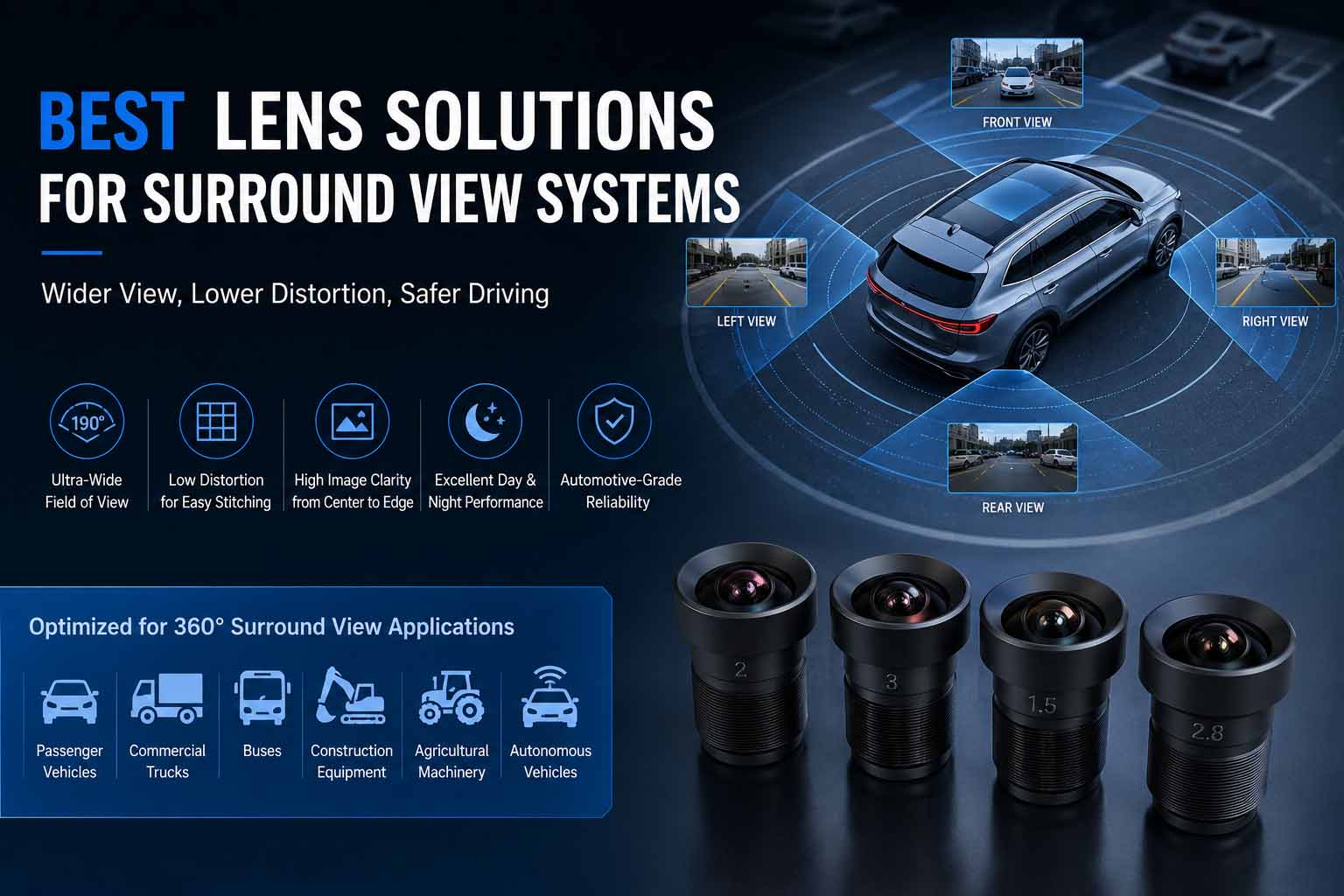
    The Challenges Behind a Good Surround View System A surround view system is designed to give drivers a complete view of the area around the vehicle. By combining images from multiple cameras, the system creates a bird's-eye view that helps with parking, maneuvering, and obstacle detection. While the final display may look simple, achieving a seamless 360-degree image is far from easy. Many surround view projects encounter the same challenges: Blind spots around the vehicle Distorted stitched images Poor edge image quality Inconsistent brightness between cameras Reduced visibility at night Calibration difficulties during integration In many cases, engineers spend significant time optimizing software algorithms, only to discover that the root cause originates from the optical system itself. The quality of a surround view camera lens directly affects how well the entire system performs. Why the Lens Matters More Than Most Engineers Expect A surround view system relies on four or more cameras positioned around the vehicle. Each camera captures a different perspective, and those images must be combined into a single overhead view. For this process to work correctly, every camera must deliver: Consistent image quality Accurate geometry Sufficient field of view Stable brightness Reliable day and night performance Even small optical imperfections can create visible stitching errors. For example: A lens with excessive distortion may cause road markings to appear curved. A lens with poor edge resolution may produce blurry areas near the stitching boundary. A lens with uneven illumination may create visible brightness differences between adjacent camera views. This is why the surround view camera lens is often one of the most critical components in an AVM system. Ultra-Wide Field of View: The Foundation of 360-Degree Coverage One of the primary requirements for a surround view camera is wide-area coverage. Most AVM systems use an automotive fisheye lens with an ultra-wide viewing angle to minimize blind spots around the vehicle. Common configurations include: 180-degree automotive lens 190-degree automotive lens 200-degree fisheye lens A wider field of view allows each camera to cover a larger area, reducing gaps between adjacent images. Benefits include: Improved vehicle coverage Reduced blind spots Easier image stitching Enhanced parking assistance performance However, increasing field of view introduces additional optical challenges, particularly distortion control. Finding the right balance between coverage and image quality is essential when selecting a lens for a 360-degree vehicle camera system. Low Distortion Makes Image Stitching Easier Image stitching is one of the most important functions of a surround view system. The software must accurately merge multiple camera images into a single continuous view. When distortion is excessive, stitching becomes more difficult and less accurate. Typical symptoms include: Misaligned parking lines Broken lane markings Warped vehicle outlines Visible stitching boundaries A low distortion surround view lens helps reduce these problems before software correction is applied. Although fisheye lenses naturally introduce distortion, an optimized optical design can significantly improve image geometry and simplify system calibration. For many automotive camera projects, distortion performance is one of the first parameters engineers evaluate during lens selection. Image Clarity Across the Entire Frame Many automotive camera systems achieve good sharpness in the center of the image but struggle near the edges. This issue becomes especially noticeable in surround view applications because image stitching often occurs near the edge regions. Poor edge performance can result in: Blurred objects Reduced obstacle visibility Less accurate image stitching Lower overall image quality A high-quality surround view camera lens should maintain good image resolution throughout the entire field of view. Consistent image quality improves both driver visibility and system reliability. Night-Time Performance Is Just as Important A surround view system must perform reliably during the day and at night. Parking lots, underground garages, construction sites, and poorly lit roads all present challenging lighting conditions. A lens designed for automotive applications should support: Good light transmission Stable image quality in low-light environments Compatibility with HDR image sensors Reliable infrared performance when required Poor night-time visibility can reduce the effectiveness of parking assistance systems and increase the risk of missed obstacles. For this reason, low-light performance is often considered alongside field of view and distortion during automotive lens selection. Common Lens Problems Found in AVM Projects During development, engineers frequently encounter issues that appear to be software-related but actually originate from the optical system. Edge Blur Objects near the edge of the image appear soft or difficult to identify. Uneven Brightness Different areas of the image display inconsistent illumination levels. Calibration Difficulties Excessive distortion increases the complexity of calibration procedures. Inconsistent Camera Performance Variations between lenses create visible differences between stitched images. Reduced Visibility in Low-Light Conditions Insufficient optical performance affects image quality at night. Identifying and addressing these issues early can significantly reduce development time. How to Select the Right Surround View Camera Lens Choosing a surround view camera lens requires balancing multiple performance factors. Field of View A wider viewing angle provides better coverage but may increase distortion. Distortion Control Lower distortion simplifies calibration and improves stitching quality. Sensor Compatibility The lens should be optimized for the selected image sensor size and resolution. Automotive Reliability The lens must withstand vibration, temperature fluctuations, and long-term vehicle operation. Image Quality Consistency Stable optical performance is essential across all cameras in the system. Working with an experienced automotive camera lens manufacturer can help avoid costly development delays and improve overall system performance. Applications Beyond Passenger Cars Although surround view systems are commonly associated with passenger vehicles, they are increasingly used across a wide range of industries. Commercial Trucks Large vehicles benefit from improved visibility around the entire vehicle. Buses Surround view cameras help reduce blind spots in urban environments. Construction Equipment Operators gain better awareness when working in confined spaces. Agricultural Machinery Enhanced visibility improves operational safety. Mining Vehicles Heavy equipment often operates in challenging environments where blind spot reduction is critical. As adoption continues to grow, demand for reliable surround view camera lens solutions is increasing across multiple vehicle categories. Why Wintop Optics for Surround View Lens Solutions Developing a successful surround view system requires more than simply selecting a wide-angle lens. Field of view, distortion performance, image consistency, sensor compatibility, and environmental reliability must all work together to achieve the desired result. At Wintop Optics, we work closely with customers developing: Surround view camera systems Around View Monitoring (AVM) solutions Bird's-eye view systems Parking assistance cameras Commercial vehicle camera systems Special-purpose vehicle vision systems Our engineering team focuses on solving practical imaging challenges through optimized optical design and reliable manufacturing processes. Whether the goal is wider coverage, lower distortion, improved image quality, or easier integration, we help customers find the most suitable optical solution for their project requirements. Talk to Our Engineering Team If you are evaluating lens options for a new surround view project, selecting the right optical partner can significantly reduce development time and improve system performance. Wintop Optics provides OEM and ODM automotive lens solutions tailored to the requirements of modern surround view camera systems. Our team can assist with: Field of view selection Distortion optimization Sensor matching Mechanical integration Prototype development Mass production support Visit: www.wintoplens.com Email:yorty@yuntal.com Tel:+86 153 0268 9906 If you are developing an AVM system, bird's-eye view camera, or 360-degree vehicle camera solution, contact Wintop Optics to discuss your project and explore the best lens solution for your application.

Need Help? Chat with us

Leave a message
For any request of information or technical support, fill in the form. All fields marked with an asterisk* are required.
Submit

Home

Products

whatsApp

contact